


Engineering project “Vacuum cleaner”
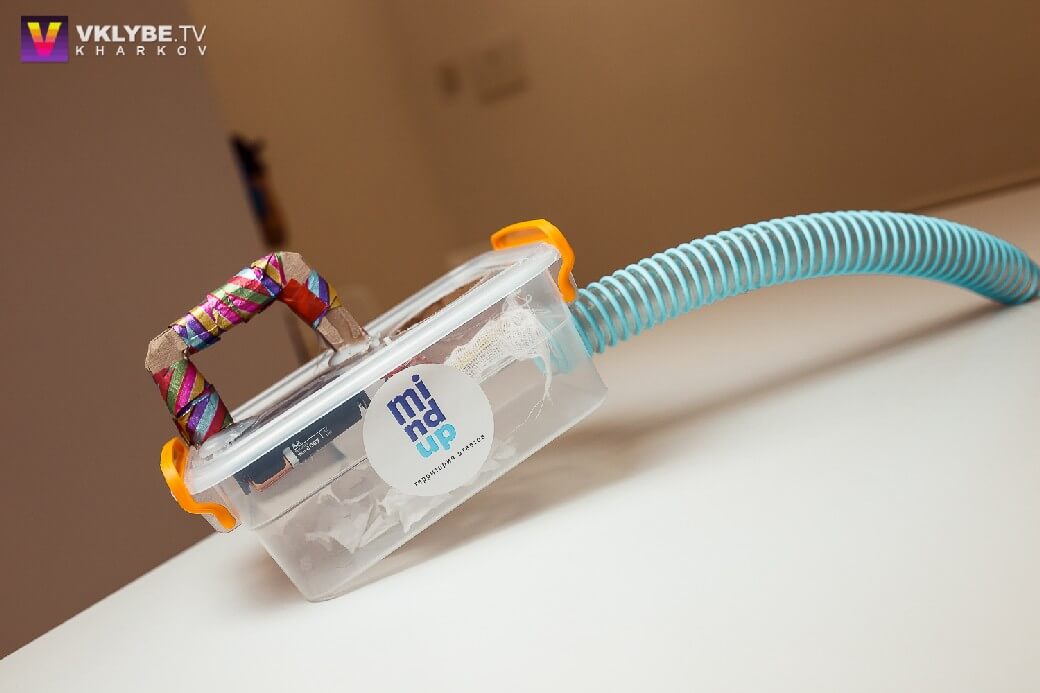
We create a cozy atmosphere from the first minutes of the lesson, attracting children with an unusual homemade mechanism - a vacuum cleaner. Children create this vacuum cleaner on their own and can take it home after 8 lessons.
We look at how much the child is ready to concentrate, how they work with scissors. We give them time to adapt and get to know the teachers.
The module is aimed at familiarizing children with the types of batteries, electricity, and electrical appliances that surround us. We look at which of them work from an outlet and which from batteries.
We discuss the rules for safe handling of electrical appliances in everyday life and the tools needed to create engineering projects.
Through various experiments, we learn about the properties of magnets and poles, and about battery-powered poles: “+” and “+”.
For the first time, children are introduced to the concepts of “electrical circuit”, “prototype” and “electrical tape”.
Engineering project “Lighthouse”
In this module, children learn about light and its sources. They will learn about lenses and optical devices. They will even make them themselves.
For example, a magnifying glass and a kaleidoscope. Children get a lot of pleasure from having their own magnifying glass with a lens and start exploring the world with it. Like ants, they spread around the room and explore everything in their path.
Children develop a cognitive interest and a desire to gain knowledge. They even look at and study the world through a microscope, for example, it can be an onion film. We conduct a huge number of experiments.
In this module, we introduce children to ultraviolet light and talk about real and fake money. We try to distinguish between them.
We build working prototypes! We figure out why they are needed in our world, how they work, what their functions are. Children learn how a motor works, how to connect it, what an electric circuit is, and how to assemble it.
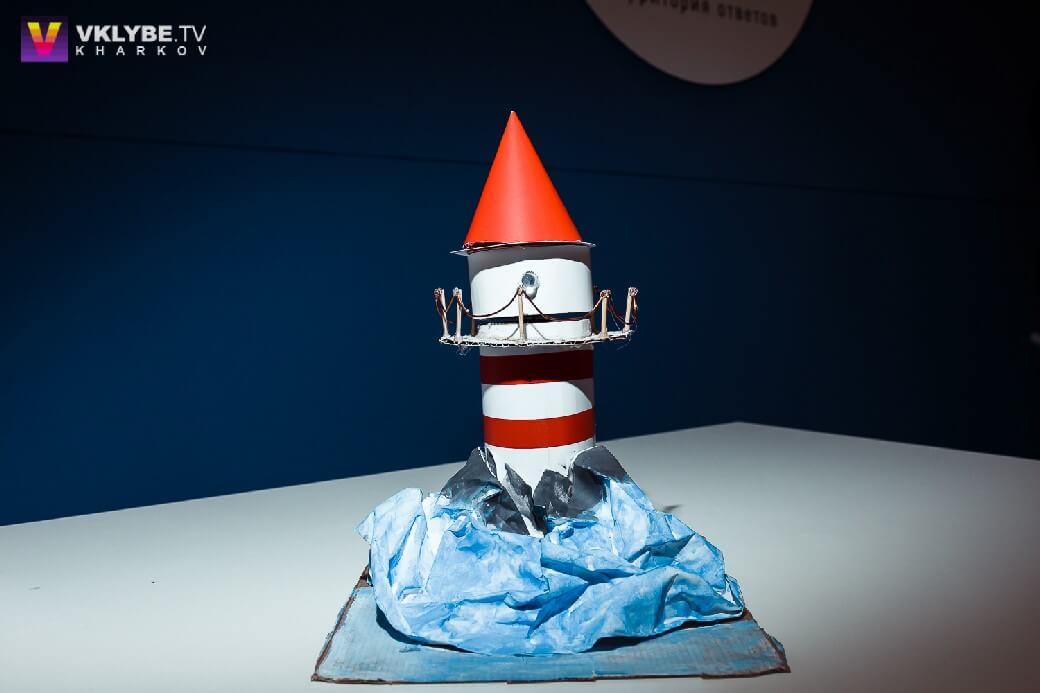
As a result, when a child takes home a lighthouse, he or she receives a huge amount of knowledge, skills and abilities. Children want to come to us because we do not force them to learn anything. We explore the world together and figure out how things work.
Engineering project “Train”
Mechanics is the science of the movement of bodies in space.
Each child will make his or her own maze out of improvised materials and observe how the ball rolls from the start to the finish line using mechanics.
Let's ask ourselves the following questions: “What are mechanisms? Where can we see them? How do they help people?”
A mechanism is the internal structure of machines, devices, and apparatus that drives them into action.
We will look at and create a number of mechanisms that work without electricity. To create them, we will need buttons, wooden sticks, cardboard, skewers and rubber bands.
Children are very enthusiastic about creating moving mechanisms. For example, a prototype of a catapult. This is a device for throwing stones, barrels of fuel, etc. that was used during the siege of fortresses. It was used a long time ago, before electricity was invented.
We will hold a competition to see who can throw their projectile further.
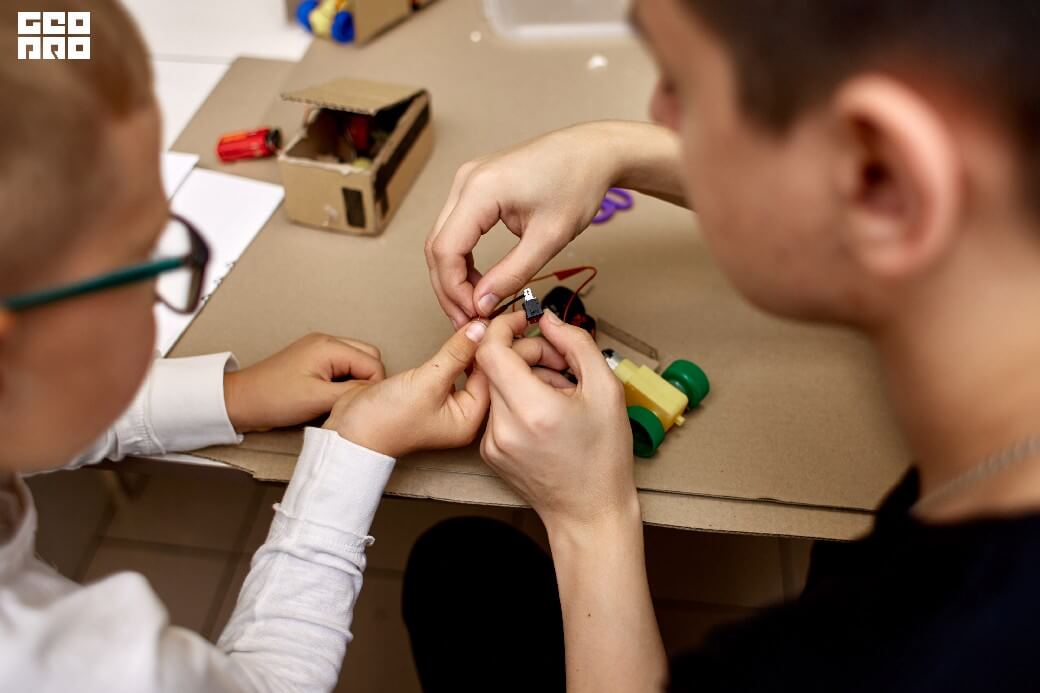
The children will also assemble an electrical circuit to create a train, make wheels and a frame on their own, and construct a second carriage.
We will discuss that at first locomotives were steam locomotives and worked on steam, then diesel locomotives and worked on fuel, and now they are electric locomotives - they use electricity.
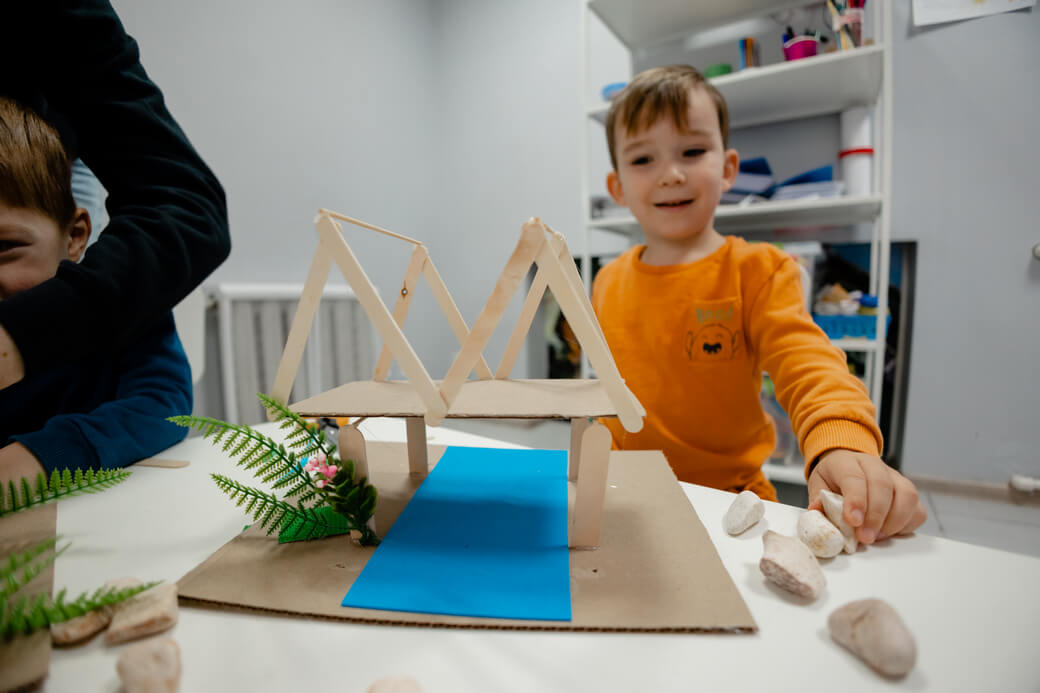
Engineering project “Air humidifier”
A very interesting module about the body, internal organs and senses, and their functions.
Children will have a lot of practical tasks and observations.
The main activity in this module is to create a model of the human internal organs. We will discuss the work of each organ and its importance. We will cut out and glue the “brain cap”, create blood vessels consisting of veins and arteries from threads. We will also assemble a stomach from a bottle, tubes and cardboard.
We will talk about the importance of hearing, sight, smell and touch in cognition of the world. We will also raise the need to be healthy.
We will cut out models of teeth and figure out which food is healthy and which is harmful.
We will make our own flavors, cotton wool and containers of the “Lotto of Smells”. The point of the game is to take a jar, open it, smell the contents and understand what this smell resembles, and then find a suitable card with a picture depicting this particular smell.
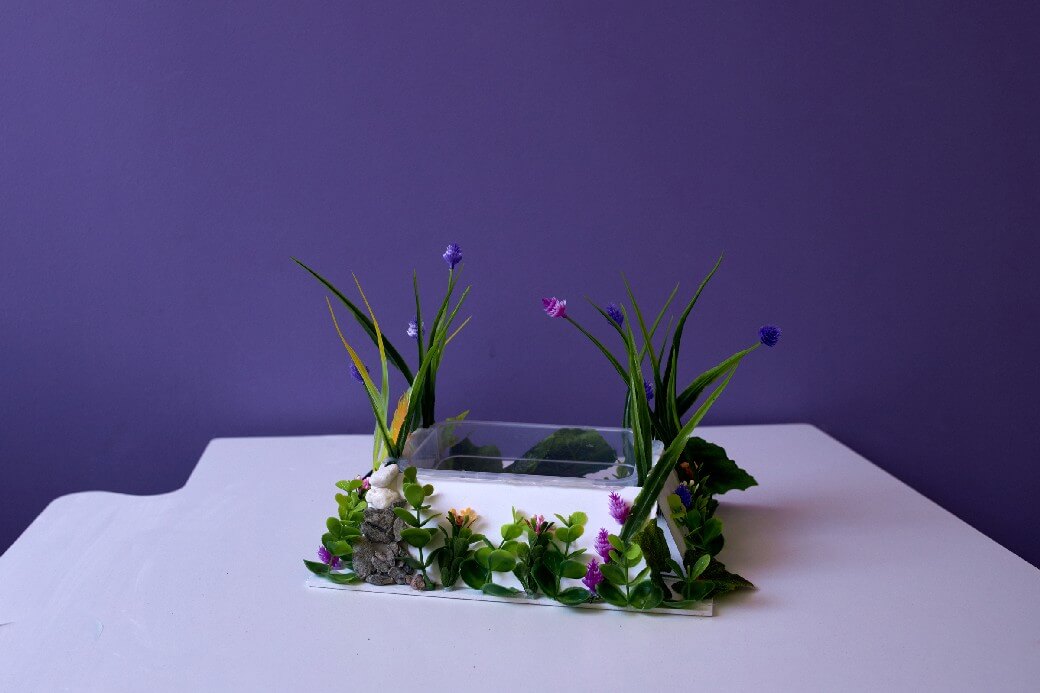
Engineering project “Light Fountain”
The module is dedicated to plants.
The children will be able to grow their own sprout from a bean and follow its development.
They will discuss the peculiarities of the plant world in Antarctica, get acquainted with real moss, and complete tasks with it.
They will conduct a practical experiment using a wax candle and fire to find out how a cactus manages to survive in the desert: that it stores water in its roots, is covered with a layer of wax, accumulates water in its needles, hides in the ground during the heat, and has large burdocks to create shade.
We will talk about water and its importance for humans, create our own water filter from bottles, stones, and earth. We will emphasize that there is no need to drink tap water, and watch an instructional video.
Why does water turn green in rivers and lakes? What gives oxygen to the planet? What is the difference between algae and aquatic plants?
Children will show creativity and imagination in assembling and decorating the fountain. They will be able to use stones and artificial greenery.
Engineering project “Dinosaur”
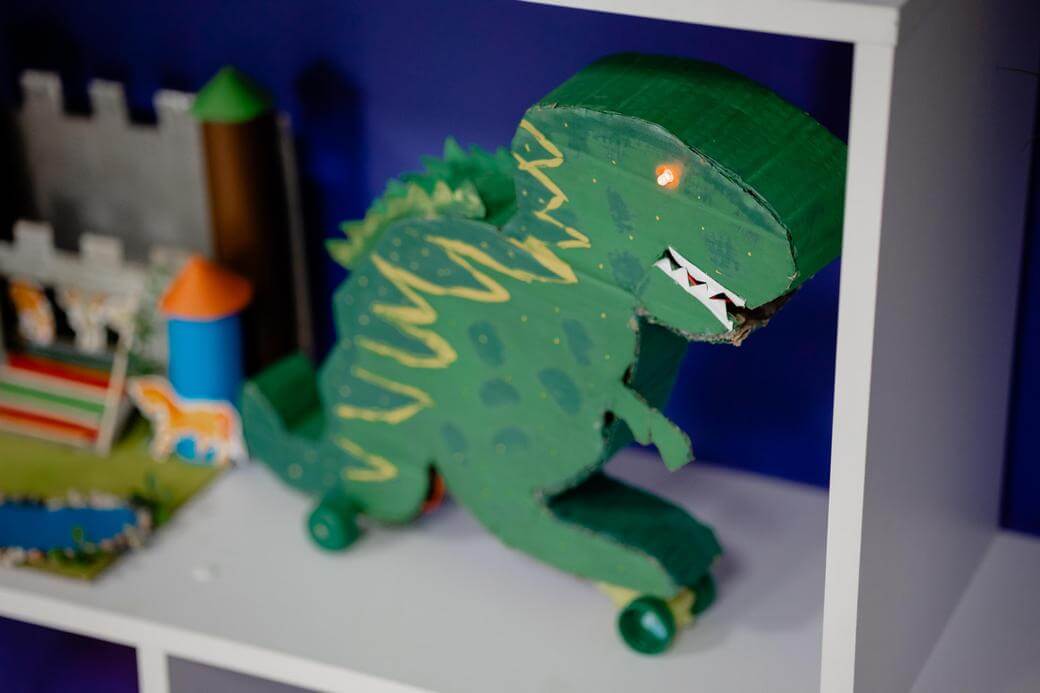
The child will be able to create his own electric dinosaur in 8 lessons! The dinosaur will move forward and scare everyone with its frightening red flashlight eyes.
Children will plunge into the era of dinosaurs and learn their varieties: herbivores and predators. They will play bingo to get to know them better.
They will try themselves in the role of paleontologists, make clay remains and bones of dinosaurs, collect their skeletons, and get acquainted with the reasons for the extinction of these species. They will find out the answer to the question: “Are there any relatives of dinosaurs today?”. And, of course, they will assemble their own Tyrannosaurus out of cardboard.
With the help of thread and glue, they will create eggs from which small dinosaurs appear.
Children are delighted with dinosaurs. And we know how to use it in teaching. Our classes help to form cognitive interest and develop curiosity!
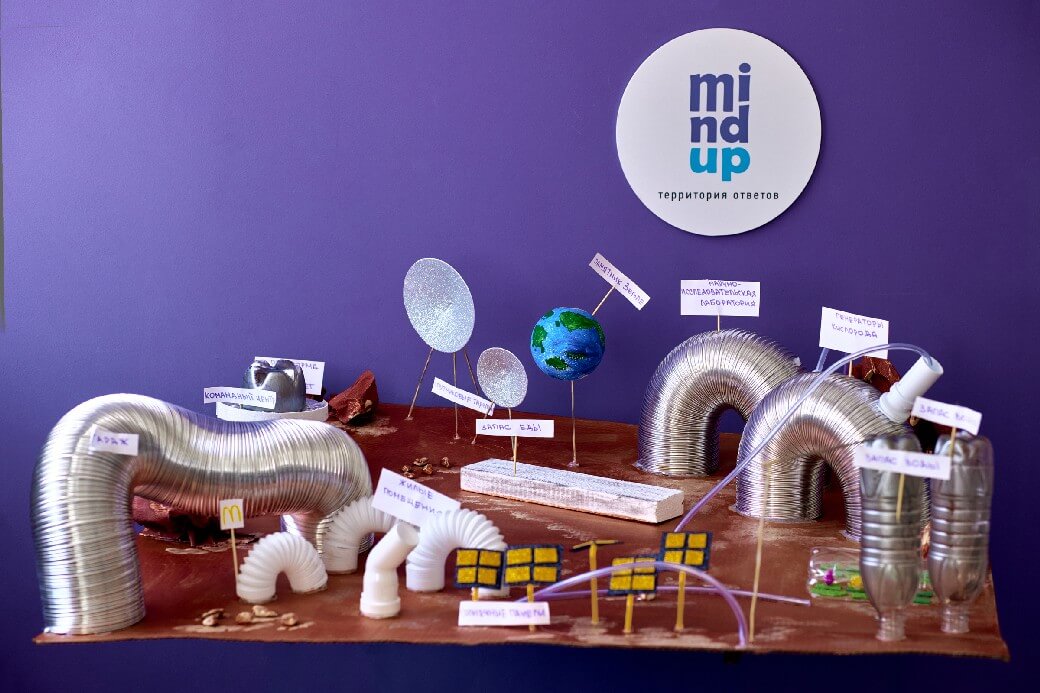
Engineering project “Mars Rover”
The module is dedicated to Mars, space objects and mechanisms. We will make a small prototype of a rocket using sponges, cups, and balls. We will talk about where oxygen comes from on space stations and what its wings are made of.
The children will assemble their own engineering project - a rover. It will move with the help of a gear motor, the electrical circuit for which the children will assemble and solder themselves.
They will create the surface of Mars and build a futuristic city.
We will discuss possible life on Mars.
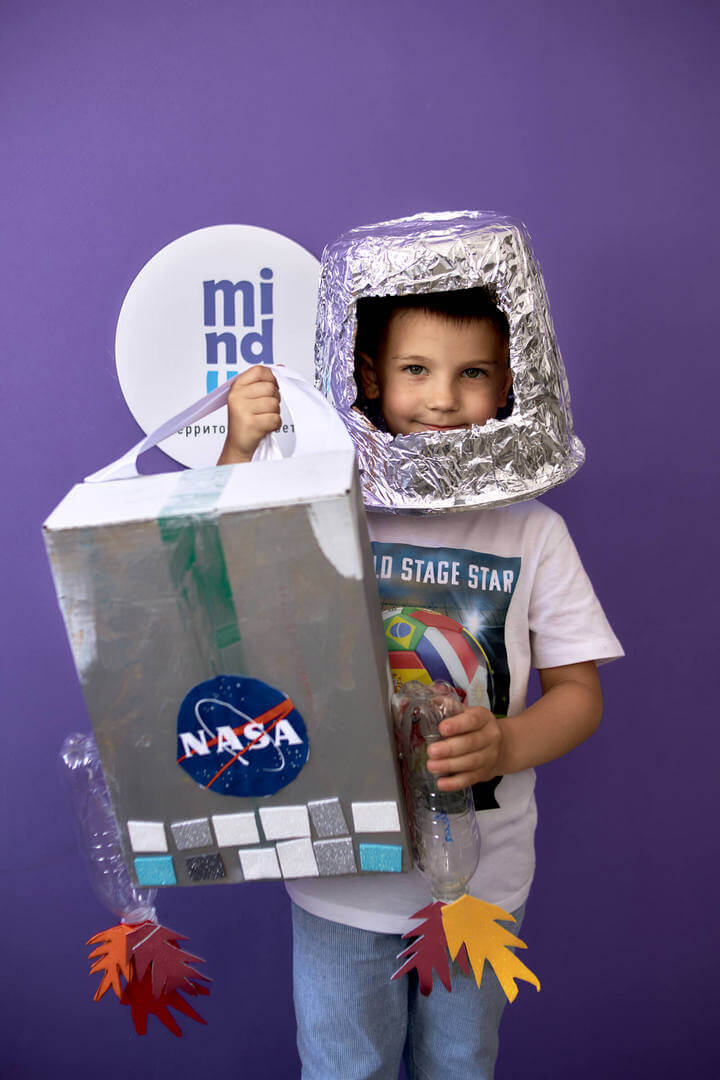
We will invent our own helmet and jetpack.
We will watch an educational video about the structure of an astronaut's suit (spacesuit).
There will be discussions about life on Earth and the problems that humans need to solve to save the planet.
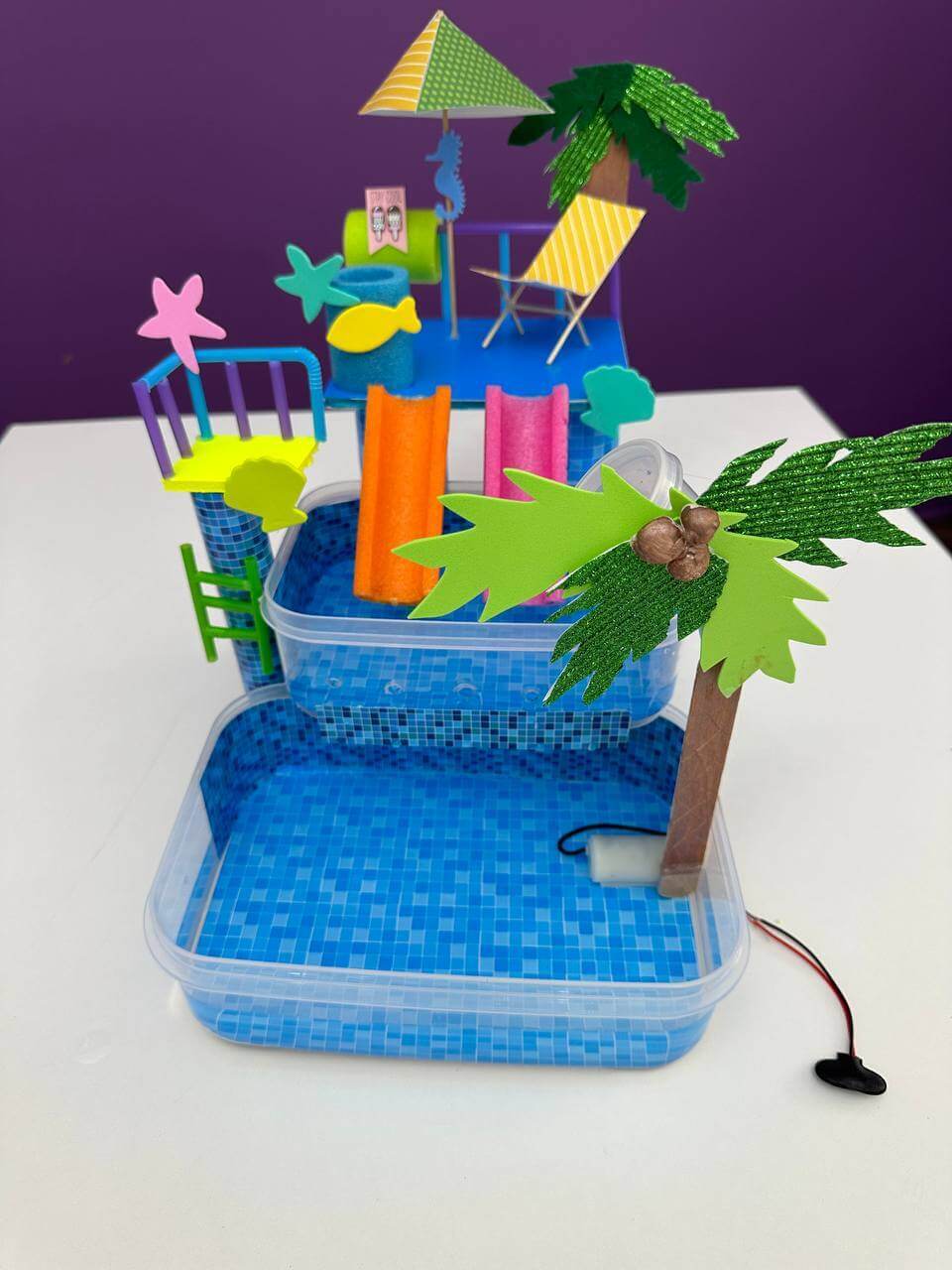
Engineering project “Water Park”
Transparent objects are a fantastic world that allows you to see THROUGH yourself.
People have learned to use it for useful purposes. For example, a human body can become transparent for an X-ray machine for a moment.
Or a thermal imager can help you see thermal radiation invisible to humans, even through walls.
Or the operation of a photocopier using glass... Here we will definitely check with the help of a copier how people used to do without printers in ancient times and what they did if they needed several identical copies.
This module will introduce us to the concepts of transparency, translucency, and opacity. We will conduct a number of experiments with different materials and substances. We will use glass, water, crystals, plastic, tracing paper, and others. We will dive into the incredible world of light filters and stained glass.
And, of course, we will be Ghostbusters for a while. Because fantasizing about ghosts is always the most interesting thing.
And we will also create a transparent and NEW two-story water park with refreshing lemonade!
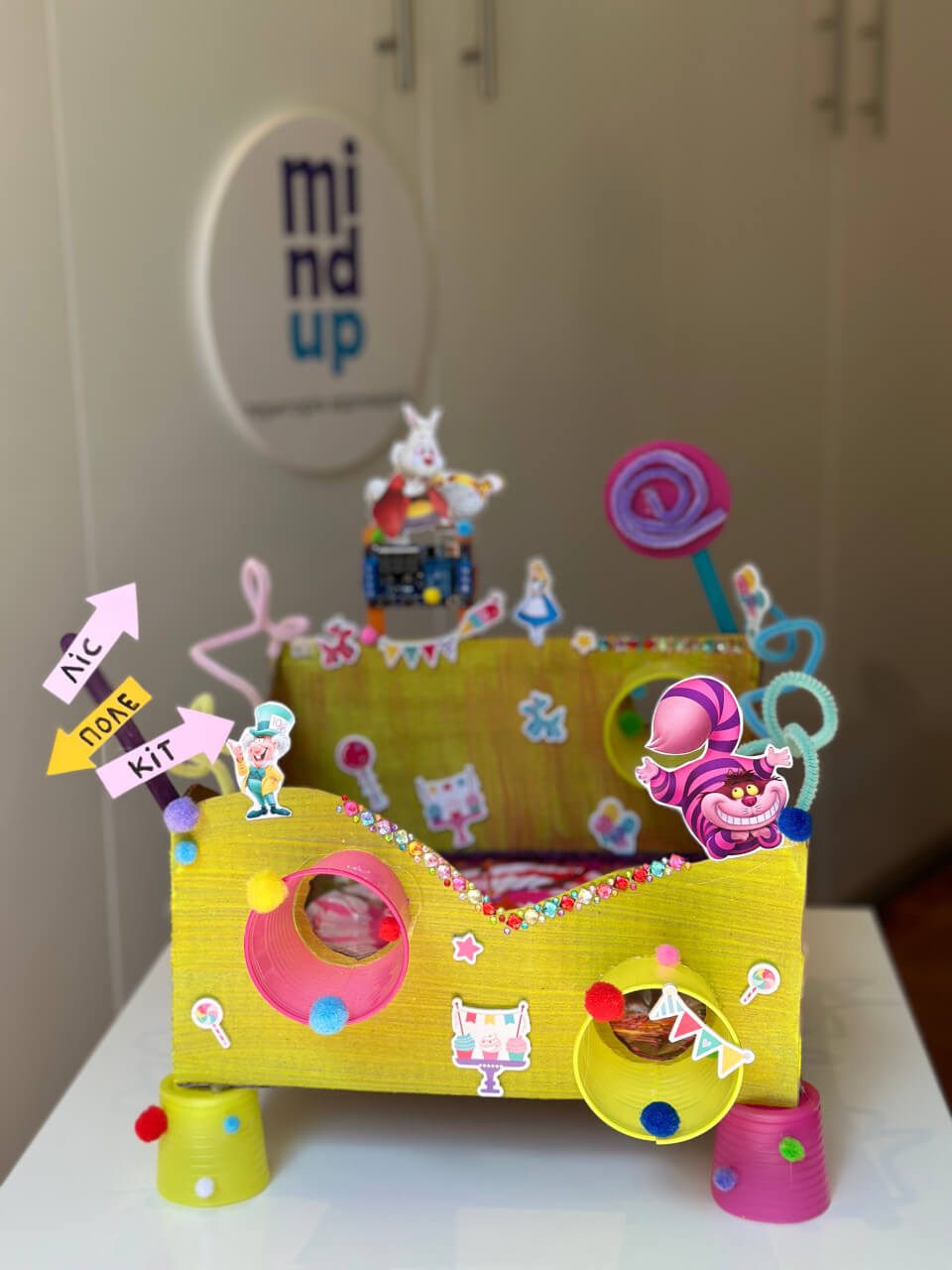
Engineering project “Factory of Creativity”
This module will introduce us to contemporary trends in ART: “body art”, “street art”, “dump art”, and “fan art”.
We will dive into the world of dreams with Alice through the Looking Glass. We will learn how to keep track of time with a rabbit - we will make our own clock.
We will learn a unique technique of drawing on water. It involves creating patterns on water and then transferring them to any surface, such as paper, fabric, or dishes.
We will create a super modern factory of creativity. After all, our project was inspired by such a trend as Steampunk. A characteristic feature of this style is the use of 19th-century attributes and technologies in creativity, combined with futuristic mechanisms and technologies.
Thank you!
We're going to contact you soon!
+351 939 059 601

